Terroir
Terroir
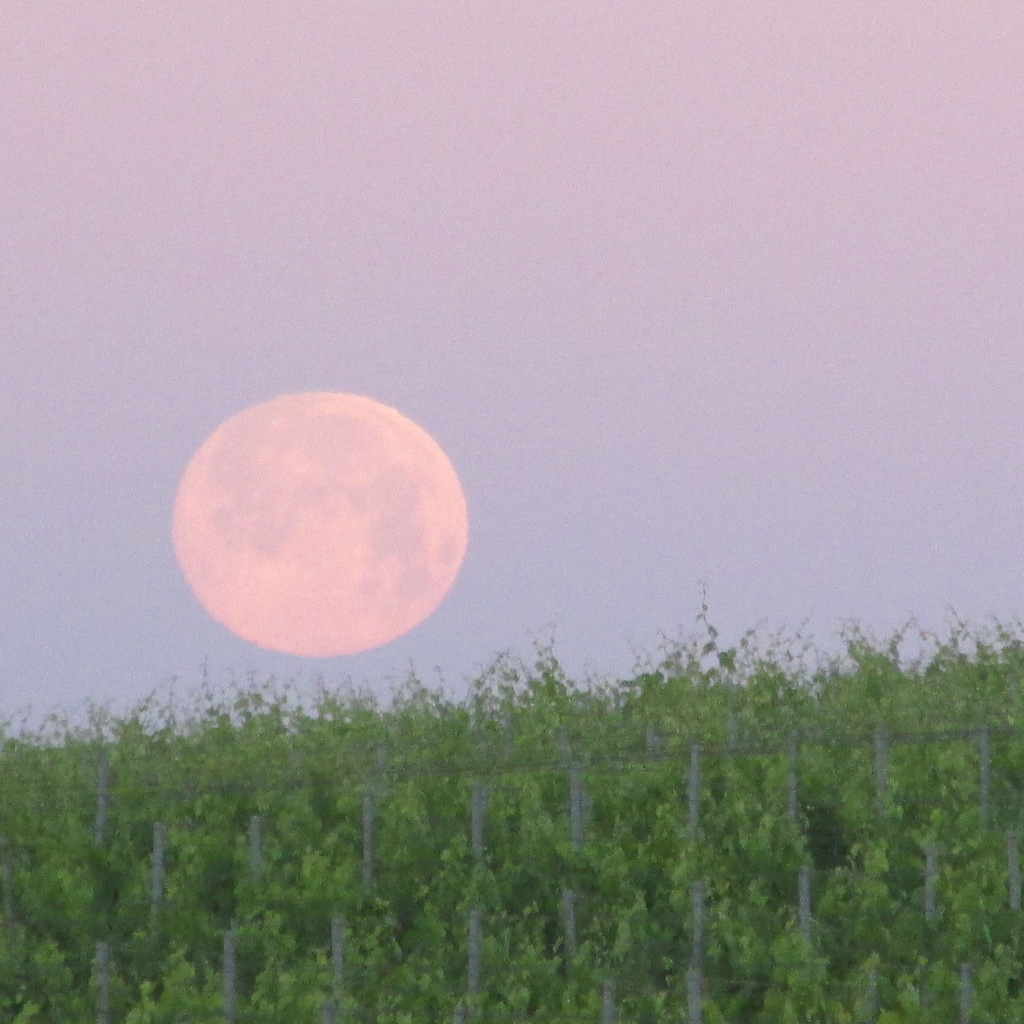
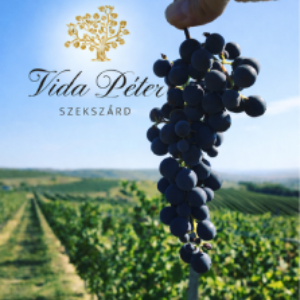
Terroir (pronounced ter-war) is a French term describing the total influence of the natural environment on a wine. This includes:
• soil—rocky, clay, sandy…
• climate—sunny days, rainfall, winds…
• altitude and slope of the terrain
• microclimate and surroundings—proximity to rivers, forests, or the sea
All these characteristics together form the “fingerprint of a place” in every cluster and every bottle. Wines with a pronounced terroir often have a unique character that cannot be replicated elsewhere—which is exactly why they are authentic and unrepeatable.
It is terroir that distinguishes wines with a soul from ordinary wines.
Barrique
Barrique
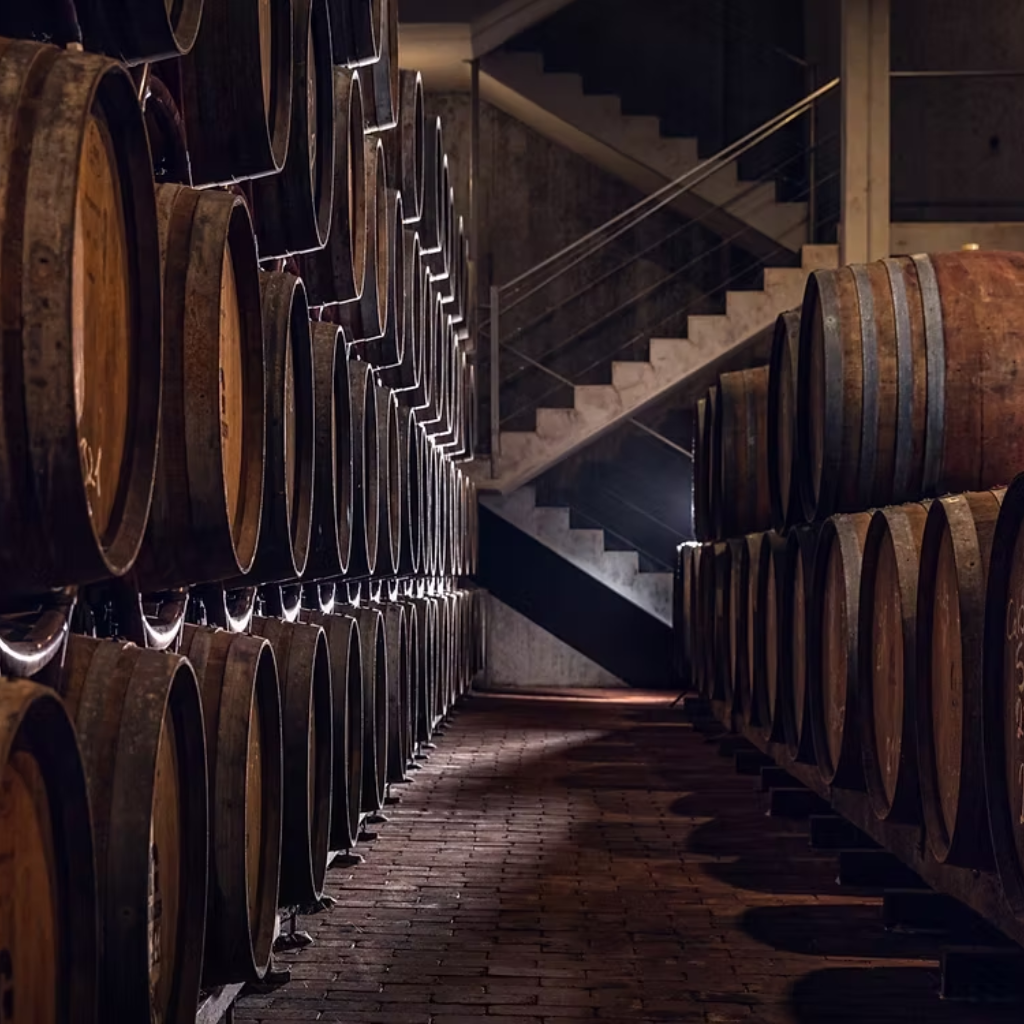
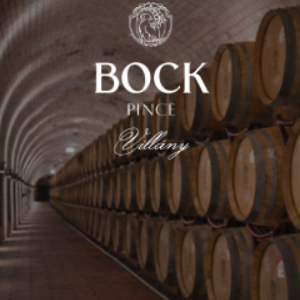
Barrique is the name for an oak barrel, most commonly with a capacity of 225 liters, used for aging wine.
However, a barrique is not just a vessel—it is a tool that significantly alters the character of the wine:
• Adds aromas: vanilla, caramel, smoke, toast, spices
• Softens tannins: the wine becomes rounder and more drinkable
• Adds complexity: develops deeper layers of flavor and scent
• Assists in micro-oxidation: the wine breathes through the wood and matures gradually
Barrique is mainly used for red wines and some serious white wines (e.g., Chardonnay). A winemaker can use new or old barrels, French or American oak—every decision changes the result in the glass.
Wines labeled “barrique” are usually fuller-bodied, more complex, and suitable for aging.
Tannins
Tannins
Tannins are natural compounds found in the skins, seeds, and stems of grapes, as well as in oak barrels. They give the wine:
• an astringent texture (that “mouth-puckering” sensation)
• structure and depth
• and play an important role in the long-term aging of wine
They are most prominent in red wines, as they are fermented with the skins, while white wines have very few tannins.
Tannins are important because:
• they make the wine more serious and complex
• they protect the wine during maturation
• they pair excellently with fatty and protein-rich foods (e.g., red meat)
This is why red wines rich in tannins are often called “wines with a backbone”—because they have the strength and potential to last.
Wine Bouquet
Wine Bouquet
Wine bouquet (Fr. bouquet) refers to the scents a wine develops during aging—in the bottle or in a wooden barrel. These are more complex, finer scents that differ from the primary aromas of fresh grapes.
While aromas are what we perceive in young wine (fruit, flowers, grass…), the bouquet encompasses scents that emerge over time, such as:
• vanilla, spices, coffee, tobacco
• earthy tones, leather, mushrooms
• nuts, honey, dried fruit
Bouquet = a sign of wine maturity and complexity.
Wines with a developed bouquet often come from aged red wines or serious white wines with oak barrel contact.
Decanting
Decanting
Decanting is the process of pouring wine from the bottle into a special glass vessel—a decanter—with two main goals:
-
Separating wine from sediment—especially in older red wines that have aged for a long time
-
Aeration (breathing)—to let the wine “breathe” and release aromas and flavors that were “closed” in the bottle
Decanting softens the wine, making it more pleasant to drink and revealing its full aromatic palette.
Young, complex wines (especially reds) are often decanted 30–60 minutes before serving.
Older wines are decanted carefully, just before serving, so as not to disturb their structure.
Sommelier
Sommelier
A sommelier (Fr. sommelier) is a wine expert, most often employed in restaurants, hotels, or wine bars, responsible for:
• creating the wine list
• advising guests on wine selection
• professional wine service
• food and wine pairing (food & wine pairing)
• wine storage and procurement
Good sommeliers possess extensive knowledge of wine regions, grape varieties, wine styles, and service rules. They are the bridge between the guest and the wine—their role is to bring wine closer to people and make it a better part of the gastronomic experience.
Today, sommeliers also often work as educators, lecturers, consultants, or organizers of wine tastings.