Truly good wine does not reveal its secrets immediately – it must be approached with respect and attention. Proper serving is a key part of the wine experience. Without the appropriate glass, ideal temperature, and – in some cases – decanting, even the highest quality wine can leave a pale impression.
Below, we will help you transform every sip into maximum pleasure.
The Right Glass – The Right Frame for Wine
A wine glass is not just an aesthetic accessory – it is a tool for discovering aromas and flavors. The shape of the glass directs aromas toward the nose and wine toward specific parts of the tongue, thereby enhancing the experience.
Basic types of glasses:
• Red wines – wider glass with larger volume, allowing the wine to breathe and develop complex aromas (e.g., Burgundy or Bordeaux style glass).
• White wines – narrower and smaller glass that preserves freshness and directs wine toward the front of the palate.
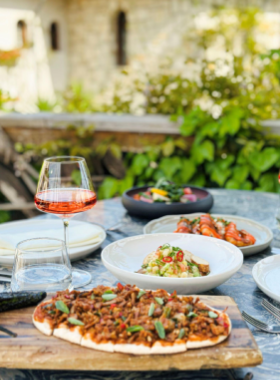
• Rosé wines – medium-sized glass, often with a slightly open rim.
• Sparkling wines – narrow and tall glass (flute) preserves bubbles, but modern practice increasingly uses wider tulip-shaped glasses that better express aroma.
Tip: always use clean, transparent glasses without engraving – wine is consumed with the eyes as well.
Ideal Wine Serving Temperature
Temperature has an enormous impact on the expression of wine’s taste and aroma. If wine is too warm, alcohol dominates. If it is too cold, aromas are “locked away.”
Recommended temperatures:
• Sparkling wines: 6 – 8°C
• Light white wines: 8 – 10°C
• Full-bodied white wines (e.g., barrel-aged chardonnay): 10 – 12°C
• Rosé wines: 8 – 10°C
• Light red wines (e.g., pinot noir): 14 – 16°C
• Full-bodied red wines (e.g., cabernet sauvignon, syrah): 16 – 18°C
Tip: leave wine from the refrigerator out for 10 minutes before serving. Chill red wine at room temperature for 10 minutes before serving.
Decanting – Let the Wine “Breathe”
Decanting means carefully pouring wine from the bottle into a special vessel (decanter). This is done for two reasons:
• Separation from sediment (especially with older wines)
• Aeration – contact with air helps young, closed wines to “breathe” and develop their full potential
When to decant wine?
• Older red wines – decant immediately before serving (very carefully)
• Young, complex red wines – decant 30–60 minutes before serving
• Sometimes white wines, especially those fermented in wood, can benefit from brief aeration
Visual bonus: serving wine from an elegant decanter leaves a strong aesthetic impression.